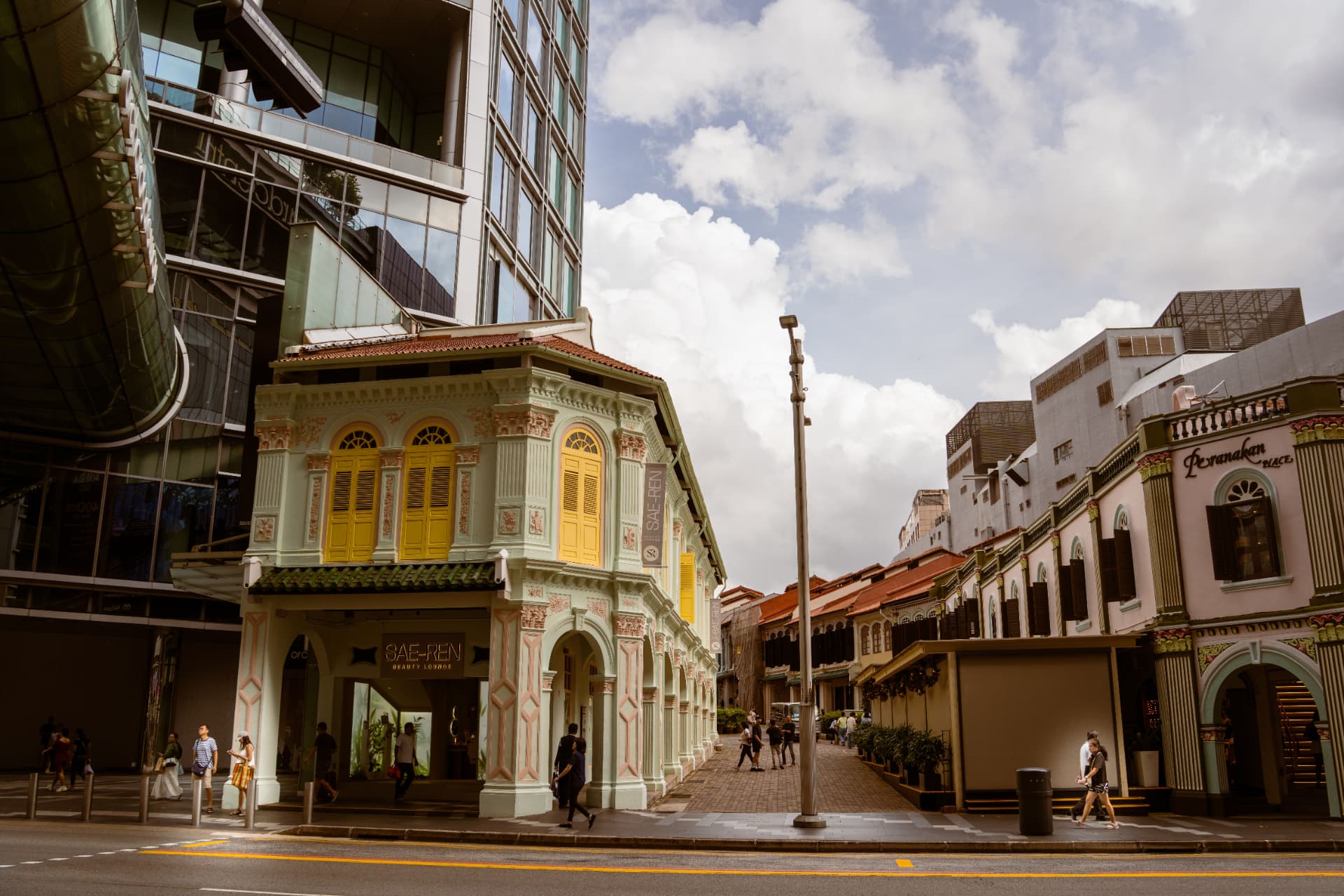
Shophouses in Singapore: What Buyers Should Understand
Shophouses hold a particular appeal in Singapore: characterful, scarce, and often exempt from the Additional Buyer's Stamp Duty that weighs on residential investors. But shophouses are also more complicated than they look, and the single most important thing to establish is how a given shophouse is zoned, because that determines its tax treatment. This is a clear overview of what to understand before buying a shophouse in Singapore.
Zoning is the first thing to establish
Shophouses are not a single category. A shophouse zoned wholly for commercial use is treated like commercial property: no ABSD regardless of how many properties you own, no Seller's Stamp Duty, GST if you buy from a GST-registered seller, and the non-residential Buyer's Stamp Duty scale. A mixed-use shophouse, where part of the building is residential, is apportioned, and ABSD is charged on the value attributable to the residential portion. This distinction is not a detail. It can change your upfront cost by a very large sum, so confirm the zoning before anything else.
Conservation status and what it means
Many of Singapore's shophouses sit within conservation areas, which is part of their charm and part of their responsibility. A conservation shophouse comes with restoration and maintenance guidelines set by the authorities, governing what you can and cannot change, particularly to the facade and key architectural features. That protects the value and character, but it also means restoration can be exacting and costly, and any works need to follow the rules. Budget for it and plan for it.
How buyers actually use them
Shophouses serve several purposes. Some buyers hold them purely as commercial investments, leasing to retail, food and beverage, or office tenants. Others occupy them for their own business. Mixed-use shophouses can combine a commercial ground floor with residential space above. Each use has different demand, different tenants, and different risks, so be clear on which you are buying for.
Financing and the cash requirement
Financing a shophouse is closer to commercial than residential lending. For the commercial portion you cannot use CPF, loans are typically capped lower and over shorter tenures than a home loan, and if GST applies it must be paid in cash. The result is a substantial cash requirement, often more than buyers expect, so the funding plan needs to be worked out early.
Yield, liquidity and the buyer pool
Shophouses can offer attractive rental yields and have seen strong interest, including from foreign buyers, who can generally purchase commercial shophouses without the approval residential property requires. But they are also less liquid than a typical condo. The buyer pool is smaller and more specialised, prices are less standardised, and a sale can take longer. That is fine for a long-term holder, less so for anyone who may need a quick exit.
A considered view
A shophouse can be a genuinely rewarding asset, but it rewards doing the homework: the zoning, the conservation obligations, the true cash requirement, and the exit. If you are considering one, I am happy to work through the specifics with you before you commit.
Douglas Chow is a licensed real estate professional in Singapore who advises buyers and sellers with an honest, objective approach. He helps clients weigh the real numbers behind residential and commercial property decisions.
Ask Douglas about a shophouse